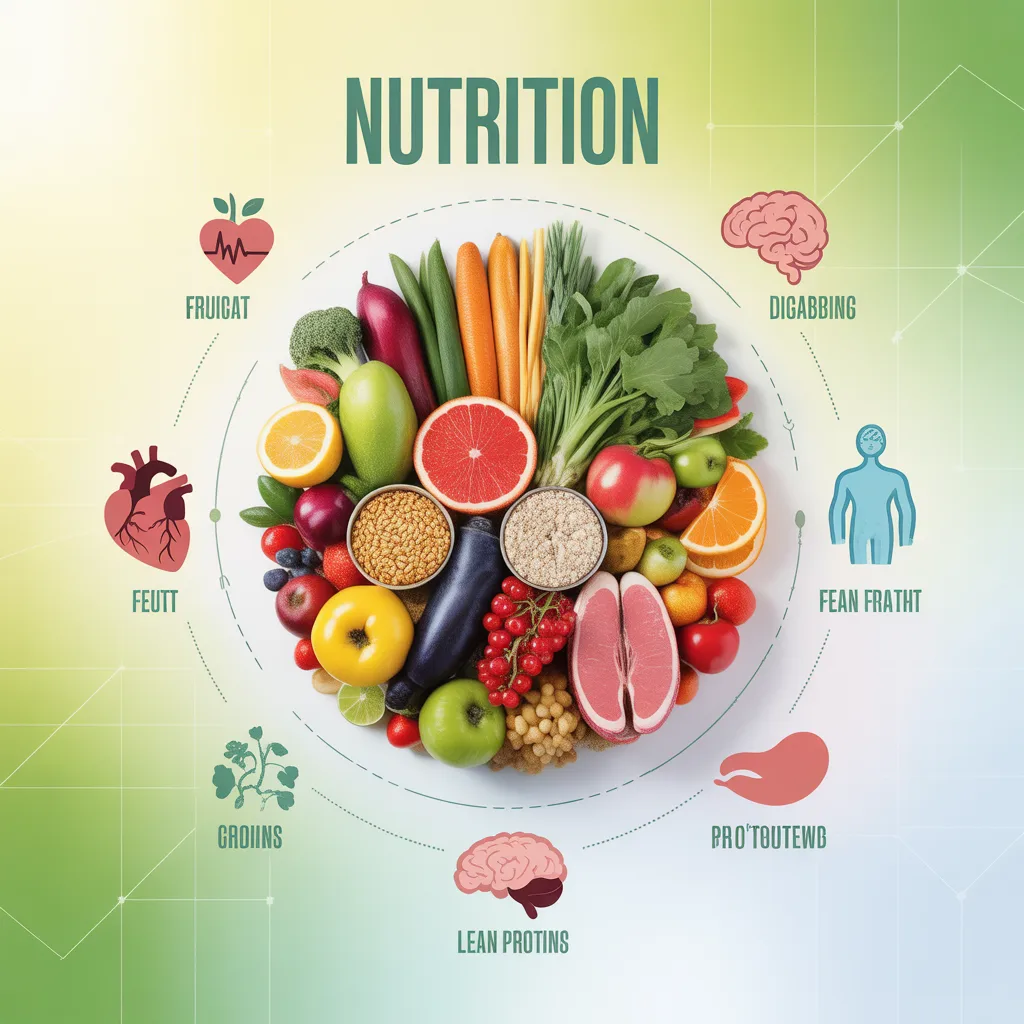
Nutrition is more than just the food we eat it is the foundation of a healthy lifestyle and overall well-being. Proper nutrition means choosing a balanced diet that provides the body with the nutrients it needs to function efficiently every day. From maintaining energy levels and supporting the immune system to keeping the brain, muscles, and heart healthy, what you eat plays a vital role in how you feel and perform. Healthy eating habits can also help lower the risk of long term health problems such as heart disease, diabetes, and certain types of cancer. In today’s fast-paced world, where ultra-processed foods are common, understanding the basics of nutrition empowers you to make smarter, more sustainable choices. This complete guide to nutrition will help you understand the principles of proper nutrition and show you how simple, consistent changes can support lifelong health and vitality.
What Is Nutrition and Why Is It Important?
Nutrition is the science of how food nourishes the body. At its core, proper nutrition means eating a balanced diet that provides the nutrients your body needs to function optimally. These nutrients fuel your body, maintain energy levels, and support vital systems such as the brain, muscles, bones, nerves, and immune system.
Good nutrition plays a major role in:
- Supporting brain and nerve function
- Maintaining healthy blood circulation
- Building and repairing muscles and tissues
- Strengthening immune system health
- Protecting against disease
A diet based on whole foods and minimally processed foods helps reduce the risk of heart disease, diabetes, cancer, and osteoporosis. Over time, healthy eating also supports healthy aging and improves overall quality of life.
Nutrition is not about strict rules or perfection. It is about consistency, food quality over quantity, and developing habits that protect against disease while fitting into your lifestyle.
Types of Nutrients and Their Functions
Nutrients are substances in food that the body needs for growth, energy, and maintenance. They are divided into two main categories: macronutrients and micronutrients.
Macronutrients
Macronutrients provide energy and structural support:
- Carbohydrates: The body’s main energy source, supporting brain function and physical activity
- Protein: Essential for building muscles and tissues, hormone production, and immune defense
- Healthy fats: Support hormone balance, nutrient absorption, and brain health
Micronutrients
Micronutrients include vitamins and minerals needed in smaller amounts but are equally important:
- Vitamins and minerals support metabolism, bone health, and immune responses
- Calcium and vitamin D are essential for bone health and osteoporosis prevention
- Iron, zinc, and B-vitamins play key roles in energy production and blood circulation
Water and fiber-rich foods are also crucial for digestion, nutrient absorption, and gut health.
Calories, Metabolism, and Energy Balance
Calories represent the energy we get from food. Your body uses this energy to breathe, move, digest food, and maintain basic functions through metabolism.
Energy balance occurs when calories consumed match calories burned.
- Excess calories can lead to weight gain
- Too few calories may cause fatigue and nutrient deficiencies
Metabolism varies based on age, body composition, and activity level. Rather than focusing only on calorie counting, prioritize food quality:
- Choose whole foods over ultra-processed foods
- Focus on fiber-rich foods that support blood sugar control
- Include protein to help maintain muscle mass
A balanced approach helps support sustainable weight management without extreme restriction.
What Foods Are Healthy?
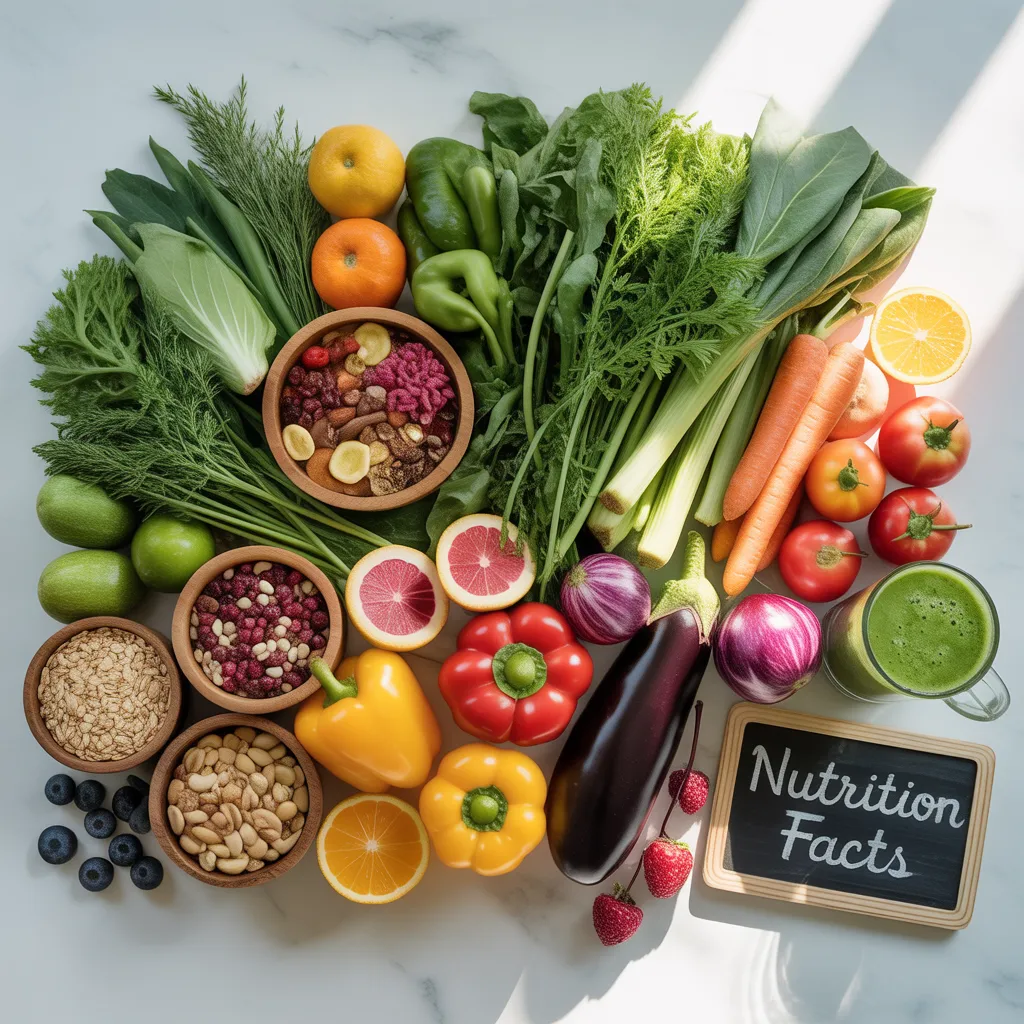
Healthy eating patterns emphasize nutrient-dense foods that fuel the body and protect against chronic disease prevention. Research consistently supports plant-based diets such as the Mediterranean diet, DASH diet, and MIND diet.
Examples of Healthy Foods
- Berries: Rich in antioxidants and disease-fighting nutrients
- Fatty fish: Provide omega-3 fatty acids for heart and brain health
- Leafy greens: Support immune system health and reduce inflammation
- Nuts and seeds: Sources of healthy fats and plant protein
- Whole grains: Help regulate cholesterol levels and blood sugar
- Legumes: High in fiber and protein, supporting gut health
A simple visual guide is the Healthy Plate approach:
- Half the plate with vegetables and fruits
- One-quarter with whole grains
- One-quarter with lean protein
Nutrition for Weight Loss and Weight Management

Healthy weight loss is not about short-term diets but sustainable habits. Proper nutrition supports healthy weight loss while preserving muscle and maintaining energy levels.
Effective strategies include:
- Prioritizing protein and fiber-rich foods
- Reducing added sugars and sodium
- Limiting saturated fat intake
- Choosing minimally processed foods
Plant-based and Mediterranean-style eating patterns support sustainable weight management by improving blood sugar control and reducing inflammation. Consistency, not restriction, is the key to long-term success.
Vitamins, Minerals, and Dietary Supplements
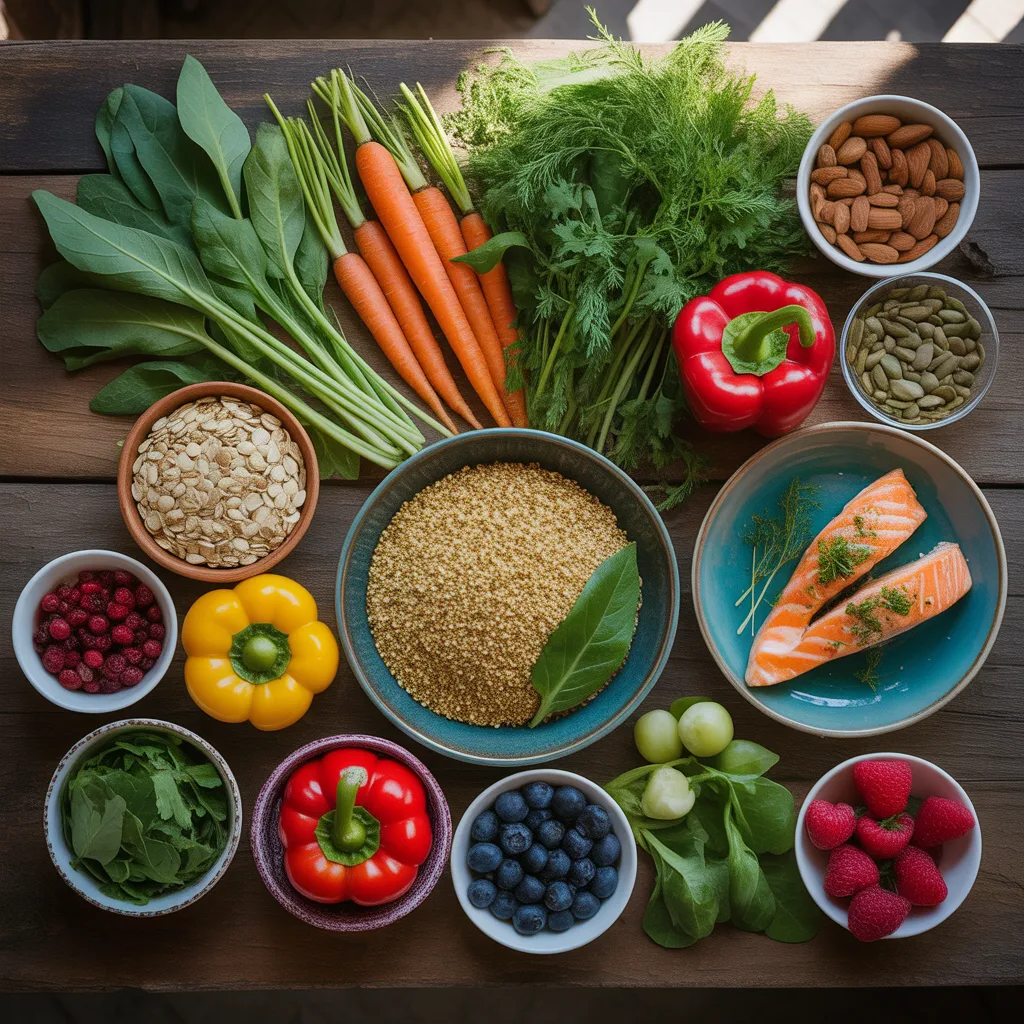
Dietary supplements include individual vitamins, minerals, and multivitamins. While supplements are popular, they are not a replacement for healthy eating.
Most healthy adults can meet their needs through a balanced diet rich in whole foods. However, supplements may be helpful in certain cases:
- Confirmed vitamin deficiency
- Limited dietary intake (e.g., vitamin B12 in strict plant-based diets)
- Increased needs for calcium and vitamin D for bone health
According to FDA dietary supplement guidelines, supplements should be used cautiously. Always focus on food first, and consult a qualified professional before supplement use to address nutritional gaps safely.
Nutrition for Different Age Groups
Nutritional needs change throughout life, but the principles of healthy eating remain similar.
Children and Adolescents
- Adequate protein for growth
- Calcium and vitamin D for bone development
- Balanced meals to support learning and activity
Adults
- Focus on energy balance and weight management
- Support immune function and heart health
Older Adults
Nutrition for older adults is especially important after age 50:
- Higher protein intake helps preserve muscle mass
- Calcium and vitamin D support bone health
- Limiting ultra-processed foods helps manage cholesterol and blood sugar
There is no perfect diet ratio—quality matters more than macronutrient extremes.
Meal Planning and Healthy Eating Tips

Healthy meal planning makes nutritious choices easier and more affordable.
Practical tips:
- Plan meals around whole foods
- Prepare meals in advance to save time
- Choose seasonal fruits and vegetables
- Include probiotics and gut-friendly foods like yogurt
- Read labels to reduce added sugars and sodium
Healthy meal planning supports consistency, reduces reliance on processed foods, and helps maintain a healthy lifestyle even with a busy schedule.
Common Nutrition Myths and Facts
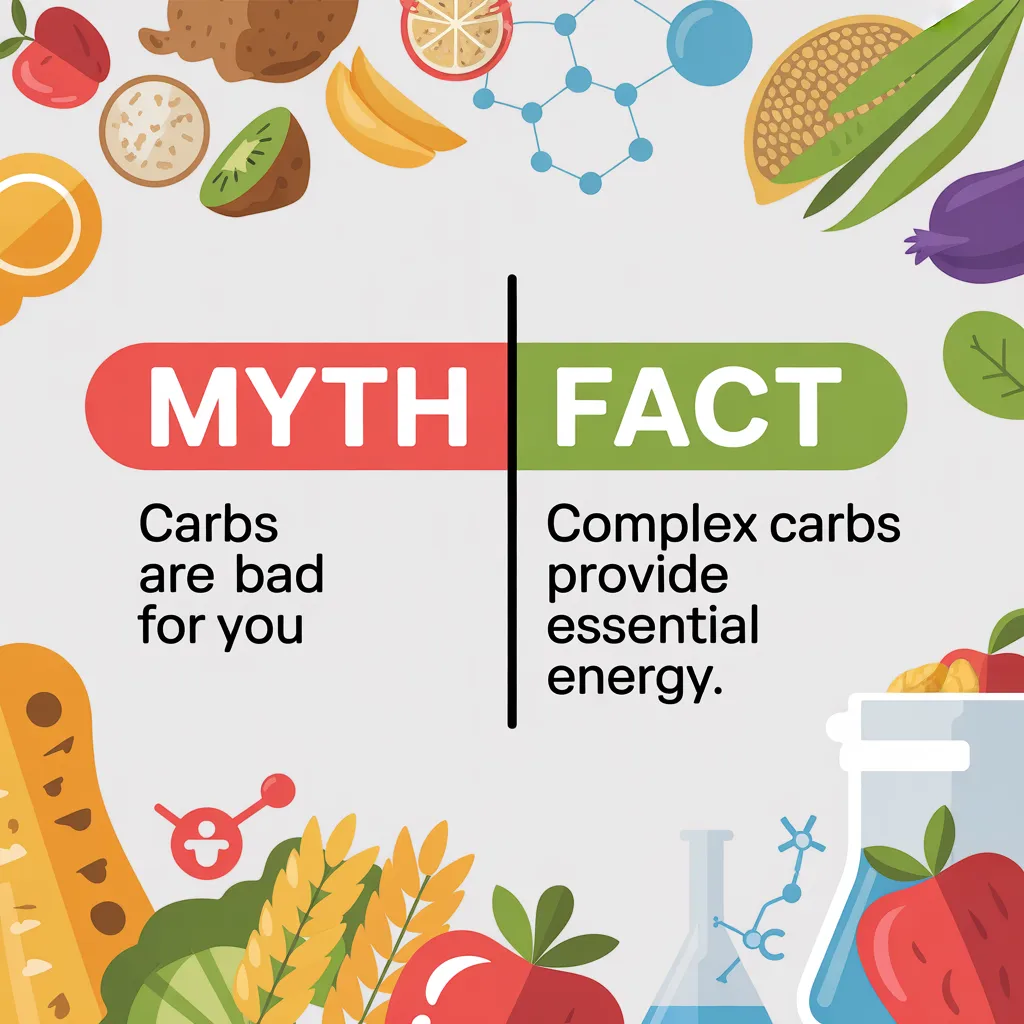
Myth: Carbohydrates cause weight gain
Fact: Whole-food carbohydrates support energy and digestion
Myth: Fat is unhealthy
Fact: Healthy fats are essential for brain and hormone health
Myth: Supplements are always necessary
Fact: Most nutrients are best obtained from food
Myth: All calories are equal
Fact: Food quality affects metabolism and health outcomes
Understanding facts over myths helps you make confident, evidence-based choices.
Mata Discription
Discover essential nutrition tips for healthy eating and a balanced diet to boost energy, support a healthy lifestyle, and prevent chronic diseases.
A balanced diet includes carbohydrates, protein, healthy fats, vitamins, minerals, fiber, and water in appropriate amounts to support overall health.
Yes, plant-based diets rich in whole foods are linked to heart disease prevention, diabetes prevention, and improved longevity.
No. Supplements may help specific individuals but are not necessary for most people eating a varied, nutritious diet
Protein needs vary by age and activity level, but including protein at each meal supports muscle health and metabolism.
Diets emphasizing whole foods, plant-based meals, healthy fats, and minimal processing support healthy aging and disease prevention.